Exploring Commercial Siding Installation: A Comprehensive Guide
Commercial siding installation sets the stage for this detailed exploration, offering readers insight into the various materials, factors to consider, installation process, and cost analysis involved in this crucial aspect of building maintenance.
As we delve deeper into the world of commercial siding, we will uncover the key considerations and challenges faced by property owners and contractors alike.

Commercial buildings often utilize a variety of siding materials to enhance their appearance and protect the structure from the elements. Let’s explore some common types of siding materials used in commercial construction along with their pros and cons.
Vinyl siding is commonly used in retail stores and office buildings due to its cost-effectiveness and versatility.
Wood siding is often seen in upscale restaurants and boutique shops for its classic and elegant look.
Fiber cement siding is a popular choice for warehouses and industrial buildings that require a strong and long-lasting exterior.
Metal siding is often used in modern office buildings and factories for its sleek and industrial look.

When it comes to choosing the right siding for commercial properties, several key factors must be taken into consideration. Factors such as climate, location, durability, and maintenance requirements play a crucial role in determining the most suitable siding material for a commercial building.
The climate and location of a commercial property are significant factors to consider when selecting siding materials. For instance, buildings located in regions with extreme weather conditions, such as heavy rain or snow, will require siding materials that are highly resistant to moisture and can withstand harsh elements.
In contrast, properties in dry and sunny climates may benefit from siding materials that offer UV protection and can withstand prolonged exposure to sunlight without fading or deteriorating.
Durability is paramount when it comes to commercial siding, as businesses need materials that can withstand the test of time and maintain their aesthetic appeal. Siding materials that are durable and require minimal maintenance can help reduce long-term costs and ensure the building looks its best for years to come.
Additionally, considering the maintenance requirements of siding materials is essential, as some materials may require more frequent upkeep than others, impacting the overall maintenance costs of the property.
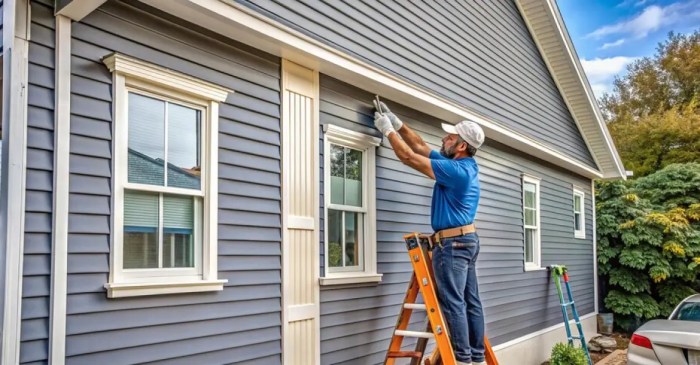
Installing siding on a commercial building requires a systematic approach to ensure a durable and visually appealing finish. Here is a step-by-step guide to the installation process, along with some specialized equipment and techniques required.
Specialized equipment such as a siding nail gun, a circular saw for cutting panels, and a level for ensuring straight installation are often used in commercial siding installation.

When considering the cost of installing siding on a commercial property, it is essential to break down the various factors that contribute to the overall expenses. These factors include the choice of siding material, the method of installation, as well as the size and design of the building.

In conclusion, commercial siding installation is a multifaceted process that requires careful planning and execution. By understanding the different materials, factors, installation steps, and costs associated with this endeavor, property owners can make informed decisions to enhance the durability and aesthetic appeal of their buildings.
What are the most common types of commercial siding materials used?
Common types include vinyl, fiber cement, metal, wood, and brick. Each material has its own advantages and drawbacks depending on the specific needs of the building.
How does climate impact the choice of siding material for commercial properties?
Climate plays a significant role in determining the most suitable siding material. For example, areas with high humidity may require materials that are resistant to moisture and mold.
What are the typical challenges faced during the installation of commercial siding?
Common challenges include weather delays, structural issues, and ensuring proper insulation. Overcoming these challenges often requires experienced contractors and meticulous planning.