Exploring Commercial Siding Cost: Everything You Need to Know
Delve into the realm of commercial siding cost as we uncover the various factors, comparisons between different materials, labor costs, and budgeting tips. This comprehensive guide is designed to provide valuable insights for anyone considering a commercial siding project.
Factors influencing commercial siding cost

When it comes to the cost of commercial siding, several factors come into play that can influence the overall price of the project. Understanding these factors is essential for budgeting and planning purposes.
Types of siding materials
The choice of siding material greatly impacts the cost of a commercial siding project. Common materials used in commercial buildings include:
- Vinyl siding
- Fiber cement siding
- Metal siding
- Wood siding
Size and complexity of the building
The size and complexity of a commercial building can significantly affect the cost of siding. Larger buildings require more materials and labor, while intricate designs or unique architectural features may also increase costs.
Location and regional factors
The location of the commercial building and regional factors such as climate, building codes, and labor costs can impact the overall cost of a siding project. For example, areas with higher labor costs or harsh weather conditions may result in higher project costs.
Cost comparison between different types of commercial siding

When considering commercial siding options, it's essential to weigh the cost differences between popular materials like vinyl, metal, wood, and fiber cement. Each material comes with its own set of initial costs, long-term maintenance expenses, durability, and lifespan.
Cost Breakdown
- Vinyl Siding:Vinyl siding is often the most affordable option upfront, with moderate installation costs. However, it may require more frequent maintenance and replacement over time, potentially increasing long-term costs.
- Metal Siding:Metal siding can be more expensive initially, but it is incredibly durable and requires minimal maintenance, leading to lower long-term costs.
- Wood Siding:Wood siding tends to be more costly upfront due to the higher price of materials and installation. It also requires regular maintenance, staining, and painting, which can add to long-term expenses.
- Fiber Cement Siding:Fiber cement siding falls somewhere in the middle in terms of initial costs. It is durable, low-maintenance, and can last for decades, making it a cost-effective choice in the long run.
Maintenance Costs
When comparing maintenance costs, vinyl and wood siding typically require more upkeep in the form of painting, staining, and repairs. Metal and fiber cement siding, on the other hand, are more durable and require minimal maintenance, reducing long-term expenses.
Durability and Lifespan
While vinyl siding may be more affordable initially, it has a shorter lifespan compared to metal, wood, and fiber cement siding. Metal and fiber cement are known for their durability and longevity, making them cost-effective choices over time despite higher upfront costs.
Labor costs and installation considerations
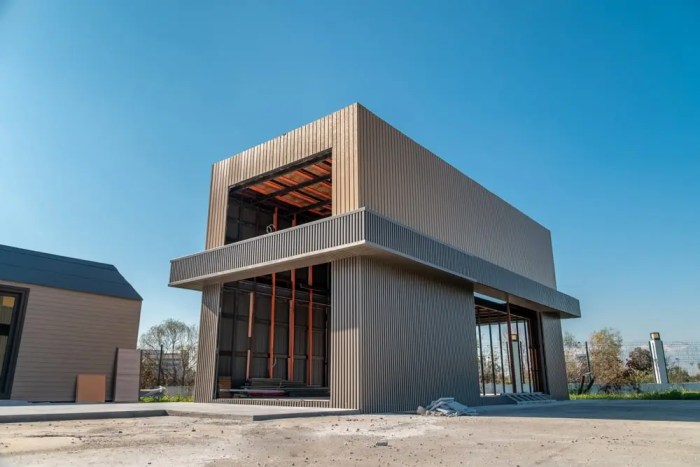
When it comes to commercial siding projects, labor costs play a significant role in determining the overall expenses. The complexity of the installation process, the type of siding being used, and any additional considerations can all impact the labor costs involved.
Labor Costs Involved
- Labor costs typically include the wages of the workers, their insurance, and any overhead expenses related to their work.
- Skilled labor, such as experienced siding installers, may come at a higher cost but can ensure a quality installation.
- Additional labor costs may arise if specialized equipment or tools are needed for the project.
Impact of Installation Method
- The installation method chosen for the commercial siding, whether horizontal, vertical, or shingle-style, can affect the overall cost.
- Horizontal siding may be quicker to install, leading to lower labor costs compared to more intricate vertical or shingle-style installations.
- Complex installation methods may require more labor hours, increasing the total labor costs for the project.
Additional Considerations
- Site preparation, such as removing old siding or prepping the surface, can add to the labor costs of the project.
- If special equipment like scaffolding or lifts is needed for hard-to-reach areas, this can also impact the labor expenses.
- Unforeseen challenges during installation, such as structural repairs or weather delays, may require additional labor hours and increase costs.
Budgeting and cost-saving tips for commercial siding projects

When embarking on a commercial siding project, effectively budgeting and implementing cost-saving measures are crucial to ensure a successful and affordable outcome. By following these tips, you can optimize your project's financial aspects without compromising quality.
Effective Budgeting Strategies
- Start by assessing the scope of the project and determining the amount of siding needed. Accurately measuring the area to be covered can prevent overordering and unnecessary expenses.
- Obtain multiple quotes from reputable siding contractors to compare prices and services. This competitive approach can help you secure a better deal within your budget.
- Consider the long-term maintenance costs associated with different siding materials. While initial expenses may vary, choosing durable and low-maintenance options can result in significant savings over time.
Cost-Saving Measures during Installation
- Opt for off-peak seasons for siding installation, as contractors may offer discounts during slower periods. Planning your project accordingly can lead to cost savings on labor and materials.
- Explore the possibility of bundling services or materials with other construction projects to receive package discounts. Combining multiple projects can help reduce overall costs for your commercial siding installation.
- Consider salvaging and refurbishing existing siding materials when feasible. Repurposing materials can be a cost-effective and environmentally friendly alternative to purchasing new siding.
Exploring Alternative Siding Options
- Research alternative siding materials that offer cost savings without compromising quality. For example, fiber cement siding provides durability and aesthetic appeal at a lower cost compared to traditional wood siding.
- Investigate energy-efficient siding options that can lower heating and cooling costs for your commercial property. Insulated vinyl siding, for instance, improves energy efficiency and can result in long-term savings on utility bills.
- Consider the possibility of DIY siding installation for smaller projects or sections. While professional installation is recommended for larger commercial properties, tackling minor repairs or replacements on your own can help reduce labor costs.
Summary

In conclusion, understanding the intricacies of commercial siding cost is essential for making informed decisions. By considering the factors discussed and implementing cost-saving strategies, you can embark on your project with confidence.
FAQ Overview
What factors influence commercial siding cost?
Factors include the type of siding material, size and complexity of the building, as well as location and regional influences.
How do different siding materials compare in terms of cost?
Popular materials like vinyl, metal, wood, and fiber cement vary in cost, with differences in long-term maintenance expenses.
What are the labor costs involved in commercial siding projects?
Labor costs can vary based on the installation method and additional considerations like site preparation and equipment requirements.
What are some budgeting tips for commercial siding projects?
Tips include effective budgeting, cost-saving measures during installation, and exploring alternative siding options for savings without compromising quality.