Exploring Commercial Siding Installation: A Comprehensive Guide
Commercial siding installation sets the stage for this detailed exploration, offering readers insight into the various materials, factors to consider, installation process, and cost analysis involved in this crucial aspect of building maintenance.
As we delve deeper into the world of commercial siding, we will uncover the key considerations and challenges faced by property owners and contractors alike.
Types of Commercial Siding Materials

Commercial buildings often utilize a variety of siding materials to enhance their appearance and protect the structure from the elements. Let's explore some common types of siding materials used in commercial construction along with their pros and cons.
Vinyl Siding
- Pros: Affordable, low maintenance, available in a wide range of colors and styles.
- Cons: Not as durable as other materials, can crack or fade over time.
Vinyl siding is commonly used in retail stores and office buildings due to its cost-effectiveness and versatility.
Wood Siding
- Pros: Natural appearance, environmentally friendly, can be painted or stained.
- Cons: Requires regular maintenance, susceptible to rot and pests.
Wood siding is often seen in upscale restaurants and boutique shops for its classic and elegant look.
Fiber Cement Siding
- Pros: Durable, fire-resistant, low maintenance, resistant to rot and pests.
- Cons: Higher initial cost, may require professional installation.
Fiber cement siding is a popular choice for warehouses and industrial buildings that require a strong and long-lasting exterior.
Metal Siding
- Pros: Extremely durable, fire-resistant, recyclable, low maintenance.
- Cons: Can be noisy during heavy rain or hail, may dent or scratch.
Metal siding is often used in modern office buildings and factories for its sleek and industrial look.
Factors to Consider Before Installing Commercial Siding

When it comes to choosing the right siding for commercial properties, several key factors must be taken into consideration. Factors such as climate, location, durability, and maintenance requirements play a crucial role in determining the most suitable siding material for a commercial building.
Impact of Climate and Location
The climate and location of a commercial property are significant factors to consider when selecting siding materials. For instance, buildings located in regions with extreme weather conditions, such as heavy rain or snow, will require siding materials that are highly resistant to moisture and can withstand harsh elements.
In contrast, properties in dry and sunny climates may benefit from siding materials that offer UV protection and can withstand prolonged exposure to sunlight without fading or deteriorating.
Importance of Durability and Maintenance Requirements
Durability is paramount when it comes to commercial siding, as businesses need materials that can withstand the test of time and maintain their aesthetic appeal. Siding materials that are durable and require minimal maintenance can help reduce long-term costs and ensure the building looks its best for years to come.
Additionally, considering the maintenance requirements of siding materials is essential, as some materials may require more frequent upkeep than others, impacting the overall maintenance costs of the property.
Installation Process for Commercial Siding
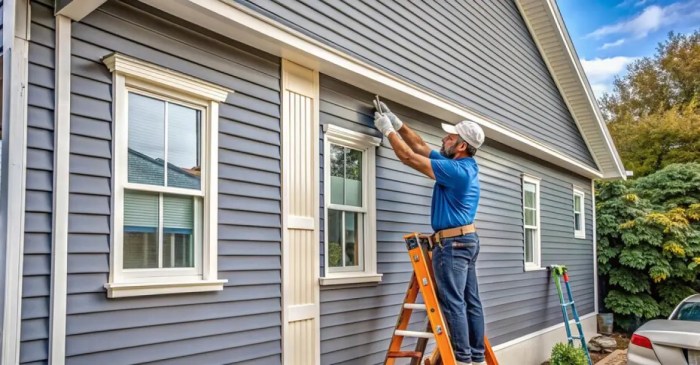
Installing siding on a commercial building requires a systematic approach to ensure a durable and visually appealing finish. Here is a step-by-step guide to the installation process, along with some specialized equipment and techniques required.
Step-by-Step Guide for Commercial Siding Installation
- 1. Preparation: Begin by preparing the exterior walls of the building, making sure they are clean, dry, and free of any debris or old siding.
- 2. Measurement and Cutting: Measure the walls accurately and cut the siding panels to the right size, ensuring a precise fit.
- 3. Installation of Starter Strip: Install a starter strip at the bottom of the wall to provide a secure base for the siding panels.
- 4. Siding Panel Installation: Begin installing the siding panels from the bottom up, making sure to overlap each panel correctly to prevent water infiltration.
- 5. Corner and Trim Installation: Install corner pieces and trim around windows and doors to give the siding a finished look and added protection.
- 6. Finishing Touches: Once all the siding panels are in place, make any necessary adjustments and ensure everything is securely fastened.
Specialized Equipment and Techniques
Specialized equipment such as a siding nail gun, a circular saw for cutting panels, and a level for ensuring straight installation are often used in commercial siding installation.
Common Challenges and How to Overcome Them
- 1. Warping or Buckling: To prevent warping or buckling of siding panels, make sure to install them according to the manufacturer's instructions and leave room for expansion and contraction.
- 2. Moisture Issues: Properly sealing joints and using moisture barriers can help prevent moisture-related issues that could damage the siding over time.
- 3. Uneven Surfaces: If the building has uneven surfaces, consider using furring strips to create a level base for the siding installation.
Cost Analysis of Commercial Siding Installation

When considering the cost of installing siding on a commercial property, it is essential to break down the various factors that contribute to the overall expenses. These factors include the choice of siding material, the method of installation, as well as the size and design of the building.
Cost Breakdown of Siding Installation
- Materials: The cost of siding materials can vary significantly depending on the type chosen, such as vinyl, metal, wood, or fiber cement.
- Labor: The cost of installation labor can also vary based on the complexity of the project and the experience of the contractors.
- Additional Supplies: Other supplies needed for installation, such as nails, caulk, and insulation, should be factored into the overall cost.
Comparison of Cost Differences
- Material Costs: Vinyl siding tends to be more affordable than wood or metal siding, making it a popular choice for cost-conscious buyers.
- Installation Methods: DIY installation may save on labor costs but could result in higher material waste and potential mistakes, impacting the overall cost.
Impact of Building Size and Design
- Building Size: The larger the building, the more materials and labor will be required, leading to higher overall installation costs.
- Architectural Design: Complex designs or irregular shapes may increase labor costs due to the need for custom cuts and precise installation techniques.
Closure

In conclusion, commercial siding installation is a multifaceted process that requires careful planning and execution. By understanding the different materials, factors, installation steps, and costs associated with this endeavor, property owners can make informed decisions to enhance the durability and aesthetic appeal of their buildings.
Questions and Answers
What are the most common types of commercial siding materials used?
Common types include vinyl, fiber cement, metal, wood, and brick. Each material has its own advantages and drawbacks depending on the specific needs of the building.
How does climate impact the choice of siding material for commercial properties?
Climate plays a significant role in determining the most suitable siding material. For example, areas with high humidity may require materials that are resistant to moisture and mold.
What are the typical challenges faced during the installation of commercial siding?
Common challenges include weather delays, structural issues, and ensuring proper insulation. Overcoming these challenges often requires experienced contractors and meticulous planning.